Premenstrual syndrome (PMS) includes physical and psychological symptoms that recur in the time before menstruation and subside again once bleeding begins. The severity of symptoms varies widely. If PMS affects your daily life or wellbeing, targeted assessment and an individually tailored treatment plan may be advisable. On this page, you can find out more about symptoms, diagnosis and treatment options for PMS.
- What is PMS?
- What can I do myself to relieve PMS symptoms?
- How is PMS treated?
- Do I have PMS?
- Frequently asked questions about PMS
What is PMS?
Premenstrual syndrome (PMS) refers to recurring physical and psychological symptoms that occur in the second half of the cycle and subside again when menstruation begins or shortly afterwards. These may include, for example, irritability, mood swings, low mood, breast tenderness, fluid retention, fatigue or pain.
The exact causes are not fully understood. One suspected factor is increased sensitivity to the normal hormonal changes during the menstrual cycle.
What can I do myself to relieve PMS symptoms?
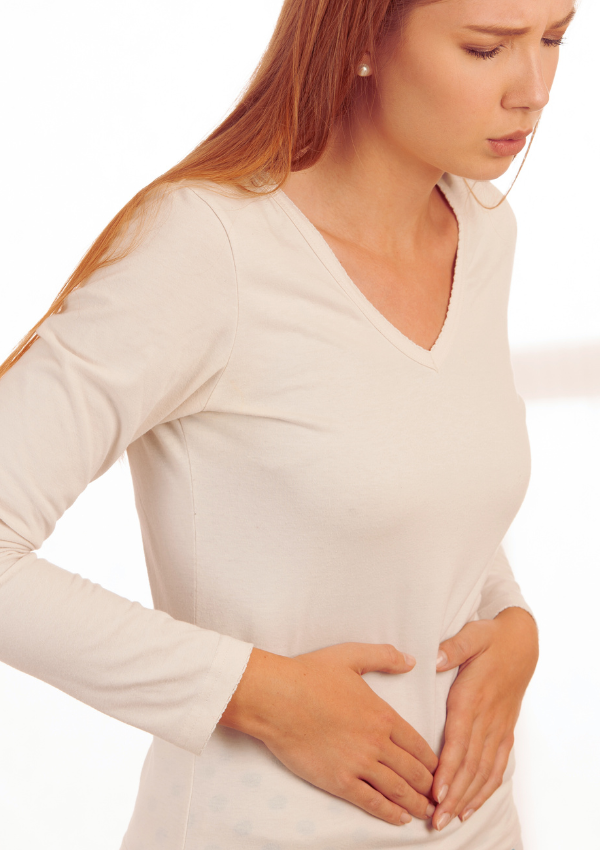
For milder symptoms, regular exercise, sufficient sleep and stress-reduction measures can be helpful. Relaxation techniques such as progressive muscle relaxation can also support wellbeing. Avoiding nicotine and being mindful with alcohol and caffeine may also be advisable.
Diet and certain dietary supplements are also being studied in connection with PMS. For some measures, there are indications of a possible effect, but the evidence varies depending on the product. Dietary supplements should therefore not be used across the board, but selected individually as needed.
How is PMS treated?
Treatment depends on which symptoms occur, how severe they are and how much they affect daily life. Several measures are often combined.
For physical symptoms such as pain, painkillers may be used, for example. For pronounced psychological symptoms or premenstrual dysphoric disorder (PMDD), selective serotonin reuptake inhibitors (SSRIs) can be an effective treatment option. Depending on the medication and individual situation, they may be taken continuously or for a limited period during the second half of the cycle.
Combined hormonal contraceptives can also reduce premenstrual symptoms in some women. We will discuss which treatment is appropriate on an individual basis, taking into account your symptoms, possible risk factors and any desire to have children.
In addition, measures such as exercise, stress reduction and psychotherapeutic approaches such as cognitive behavioural therapy may be beneficial.
Do I have PMS?
Typical symptoms in the second half of the cycle include:
- Breast tenderness
- Fluid retention
- Fatigue or sleep disturbances
- Mood swings, irritability or low mood
- Head, back or lower abdominal pain
- Difficulty concentrating
A symptom diary can provide important clues. For at least two menstrual cycles, note which symptoms occur, how severe they are and when they subside again. Typical of PMS is a recurring pattern in the second half of the cycle with a clear improvement during or shortly after the onset of menstruation.
During the medical consultation, we will clarify your symptoms and their timing in relation to your cycle. If needed, further examinations may be useful to rule out other possible causes. Blood or hormone tests are therefore used selectively when your medical history or symptoms indicate this.
If psychological symptoms are particularly pronounced, we will also assess whether premenstrual dysphoric disorder (PMDD) may be present.
Make an appointmentCommon questions about PMS
Which hormone is lacking in PMS?
With PMS, there is usually no specific hormone that is lacking. Rather, it is assumed that those affected are more sensitive to the normal hormonal changes in the menstrual cycle. This is also why PMS or PMDD cannot be determined on the basis of a single hormone level.
When are PMS symptoms at their worst?
PMS symptoms typically occur in the days before menstruation and can be particularly pronounced shortly before bleeding begins. They usually improve significantly when menstruation starts or shortly afterwards.
Which vitamins are lacking in PMS?
PMS does not automatically mean that there is a vitamin or mineral deficiency. For certain nutrients such as calcium, there are indications that adequate intake may relieve specific PMS symptoms. Whether dietary supplements are individually advisable should be assessed based on diet, symptoms and any pre-existing conditions.
What helps immediately with PMS?
For acute physical symptoms, depending on the symptom, heat, exercise or suitable painkillers may help. Relaxation exercises can provide additional support. However, if symptoms are regularly severe, treatment should not be limited to acute relief; instead, a medical assessment should clarify which longer-term therapy is appropriate.
Can PMS be mistaken for pregnancy?
Yes. Symptoms such as breast tenderness, fatigue or mood swings can occur both before menstruation and in early pregnancy. If your expected period does not start, a pregnancy test can provide clarity.
Can PMS get worse with age?
PMS symptoms can change over the course of life. Some women report stronger premenstrual symptoms, particularly during perimenopause. At the same time, other symptoms may occur during this phase of life, so a precise distinction may be useful.