For lesbian couples, there are various ways to fulfill their wish for a child together. A pregnancy with donor sperm can be made possible, for example, through insemination or – depending on the initial medical situation – through IVF. Additionally, adoption and fostering a child are options for family building.
In this article, you will learn about the available options, how fertility treatment with donor sperm works, and what legal aspects lesbian couples should consider.
- What is a rainbow family?
- What options do lesbian couples with fertility wishes have?
- What legal aspects need to be considered with sperm donation?
- Who is legally considered a parent in a lesbian couple?
- How do children in rainbow families develop?
- Frequently Asked Questions
What is a rainbow family?
Rainbow families are families in which at least one parent is lesbian, gay, bisexual, trans, intersex, or queer. Children may, for example, come from a previous relationship, have been adopted, or be born after fertility treatment with sperm donation. Rainbow families can therefore encompass very diverse family constellations.
The term “rainbow family” is derived from the rainbow flag as a symbol of the LGBTQ+ community. Today, rainbow families are part of the diversity of family forms in Germany. According to the Federal Statistical Office, approximately 31,000 same-sex couples with children lived in Germany in 2024.
What options do lesbian couples with fertility wishes have?
Lesbian couples can pursue pregnancy with the help of sperm donation. Which treatment is medically appropriate depends, among other things, on age, ovarian reserve, cycle, fallopian tube patency, and other individual factors. Often, intrauterine insemination (IUI) with donor sperm is considered first. In certain situations, IVF may be appropriate.
Insemination or IVF with donor sperm?
For lesbian couples, fertility treatment usually involves donor sperm from a sperm bank. Before starting treatment, we discuss the initial medical situation and clarify which procedure is individually suitable.
In intrauterine insemination (IUI), prepared sperm cells are introduced directly into the uterus with a thin catheter at the time of ovulation. Depending on the cycle and initial medical situation, the treatment can be performed in a natural cycle or with hormonal support.
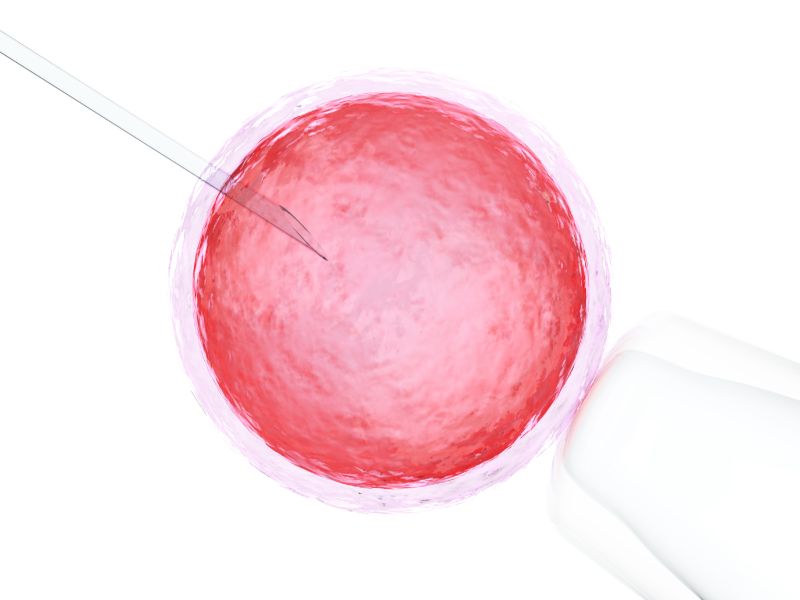
IVF may be considered, for example, if insemination has a low medical chance of success, several inseminations have already been unsuccessful, or other factors such as impaired fallopian tube function are present. In IVF, eggs are retrieved and combined with sperm cells in the laboratory. After successful fertilization, an embryo is transferred to the uterus.
What legal aspects need to be considered with sperm donation?
For fertility treatment, we use donor sperm from a sperm bank. In medically assisted artificial insemination, the legally required data of the sperm donor are documented in the sperm donor registry. The child conceived in this way has a legal right to information about the sperm donor. Before the age of 16, legal representatives can assert this right for the child; thereafter, the child can only request the information themselves. In such medically assisted treatment, the sperm donor cannot be legally established as the child’s father.
Our fertility doctors take the time to discuss your medical and organizational questions regarding treatment with donor sperm in detail.

Who is legally considered a parent in a lesbian couple?
According to current legal provisions, the woman who gives birth to the child automatically becomes the legal mother. Her wife or partner, however, does not automatically become the second legal parent – even if the couple is married and the pregnancy was planned together.
The partner can generally obtain legal parenthood through a stepchild adoption. This is also possible in a stable non-marital partnership.
Adoption of a child
Since 2017, same-sex married couples in Germany can jointly adopt a child. The same requirements generally apply to them as to heterosexual married couples.
Foster child
Fostering a child can also be a path to family building for same-sex couples. Unlike adoption, legal relationships with the birth family generally remain in a foster care arrangement. The responsible youth welfare office or the respective foster care service clarifies which requirements must be met.

How do children in rainbow families develop?
According to current research, children with same-sex parents generally show no disadvantages in their psychological development compared to children with heterosexual parents. A systematic review and meta-analysis from 2023 concluded that most family outcomes studied are comparable. Factors such as the quality of family relationships and the social environment play a more significant role in children’s development. Stigmatization and discrimination, in particular, can be stressful.
Fertility for Lesbian Couples in Munich
In our private fertility center in Munich, we individually support lesbian couples on their journey to their desired child. During the initial consultation, we discuss your personal situation, necessary examinations, and the possibilities of treatment with donor sperm. Depending on the initial medical situation, insemination or IVF, for example, may be considered. We explain each treatment step transparently and take time to answer your questions about family building with donor sperm.
Frequently Asked Questions from Rainbow Families
Do lesbian couples need to be married for fertility treatment?
No. Marriage is generally not a prerequisite for fertility treatment with donor sperm. However, the legal situation after birth differs from that of heterosexual married couples: the partner of the birth mother does not automatically become a legal parent, even in an existing marriage.
Who is legally the parent of the child in a sperm donation?
The woman who gives birth to the child is the legal mother. Her wife or partner does not automatically become the second legal parent under current law. She can generally obtain legal parenthood through a stepchild adoption. This is also possible in a stable non-marital partnership.
Do health insurance companies cover fertility treatment for lesbian couples?
For same-sex female couples, statutory health insurance companies do not cover the costs of fertility treatment. Both diagnostics and insemination, IVF, or ICSI must therefore be privately financed. Before starting treatment, we create a transparent cost plan so that you can understand all items and make informed decisions.
What support is available for rainbow families in Germany?
There are specialized counseling centers and networks that support rainbow families with questions about fertility, parenthood, adoption, and family life, among other things. The LSVD⁺ offers corresponding counseling and networking services. In Munich, there is also a dedicated specialist and counseling center for rainbow families.